Serving Crossroads, Lake Hills, Factoria, Somerset and the rest of Bellevue
When the furnace blows cold air, won't light, or keeps shutting off, you need someone local who knows furnaces. Call Blue Flame Heating and we'll connect you with a furnace repair technician in Bellevue for gas and electric furnaces, old and new.
Blue Flame Heating is a free referral service. We connect people who need furnace repair in Bellevue with local providers who carry out the work.
Free referral callOne call, no forms required
Gas & electric furnacesIgniters, blowers, valves, drains
Local Bellevue techniciansEvery neighborhood in the city
Furnace help in Bellevue
What should you do when your furnace stops working?
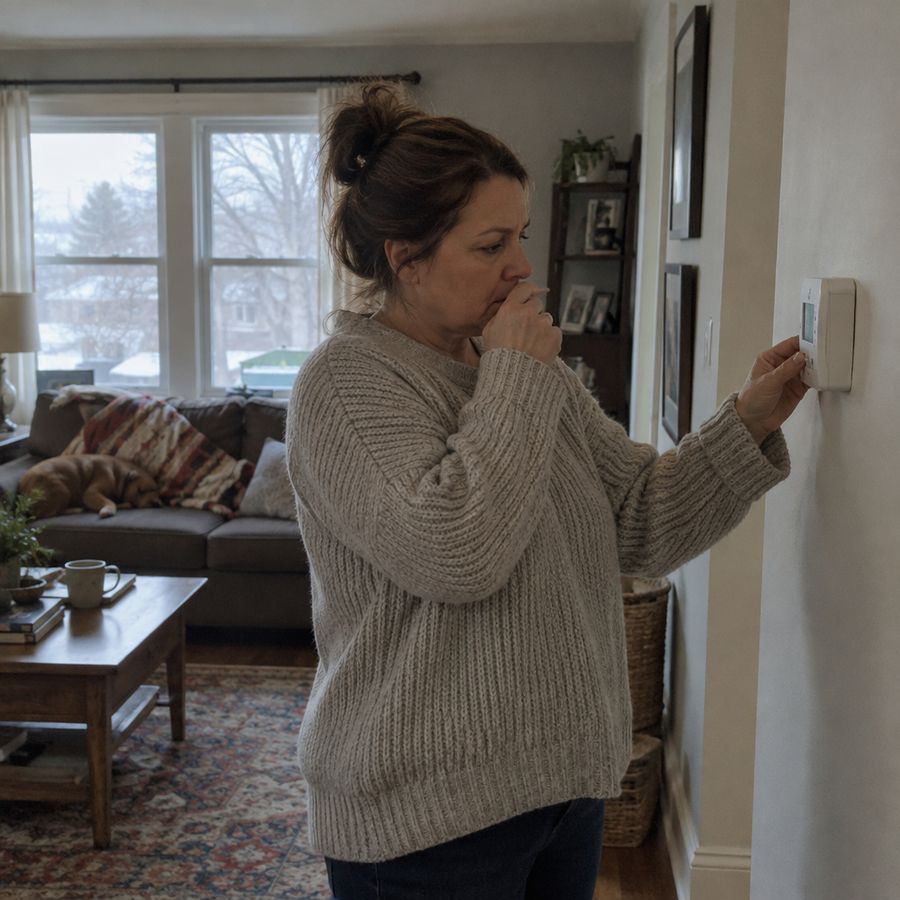
Check the thermostat, the filter and the furnace power switch first. If the heat still won't come on, or you smell gas, stop there and call for a technician.
Most furnace breakdowns in Bellevue come down to a short list of parts: a clogged filter that makes the furnace overheat and shut itself off, a dirty flame sensor that kills the burners a few seconds after they light, a cracked hot surface igniter, a tired blower motor or capacitor, or a pressure switch that trips because the condensate drain or vent pipe is blocked.
A trained technician tests each of these in order and tells you which one failed. Some fixes are quick, like cleaning a flame sensor. Others, like a failed inducer motor or control board, mean ordering a part. Below you'll find the common symptoms, the furnace services people ask for most, and real questions homeowners ask.
No heat, weak heat or cold air from the vents
Furnaces that light, then shut off, or won't light at all
Noisy blowers, water leaks and frozen vent pipes
Homes, townhomes and condos across Bellevue
Symptom checker
What is your furnace doing?
Pick the problem that sounds most like yours. Each one points to the parts a technician usually checks first.
These are the furnace jobs Bellevue homeowners call about most. Each one has its own page with signs, causes and what to expect.
Furnace not heating
The most common winter call. The fan runs but the air is cold, or nothing happens at all. A technician works through power, the thermostat signal, ignition, flame proving and the gas supply until the fault shows up on the meter. Most no-heat problems trace back to one failed part, not the whole furnace.
Gas valves, burners, inducer motors, venting and pressure switches. Gas work also means checking for leaks, flame color and safe venting before the furnace goes back into service.
If the burners light and then shut off, or only light some of the time, the igniter or flame sensor is the usual suspect. A sensor can often be cleaned. A cracked igniter needs to be replaced.
A furnace that starts and stops every few minutes wears out fast. Airflow, a limit switch, or an inducer motor and pressure switch that won't prove are the usual causes.
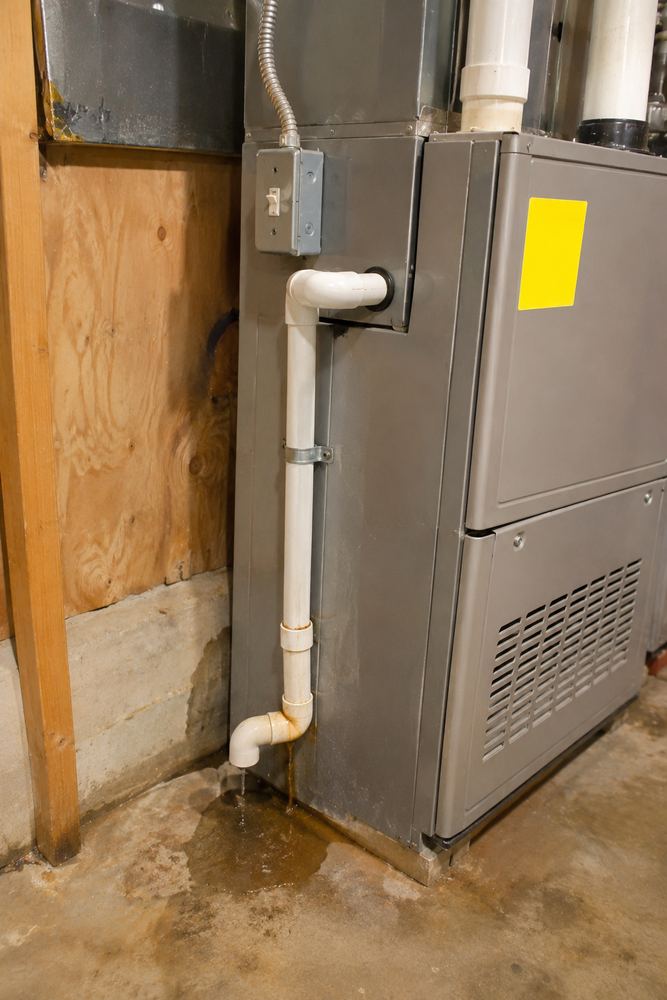
High-efficiency furnaces make water. A cracked drain line, clogged trap or dead condensate pump lets it pool on the floor and can shut the furnace down.
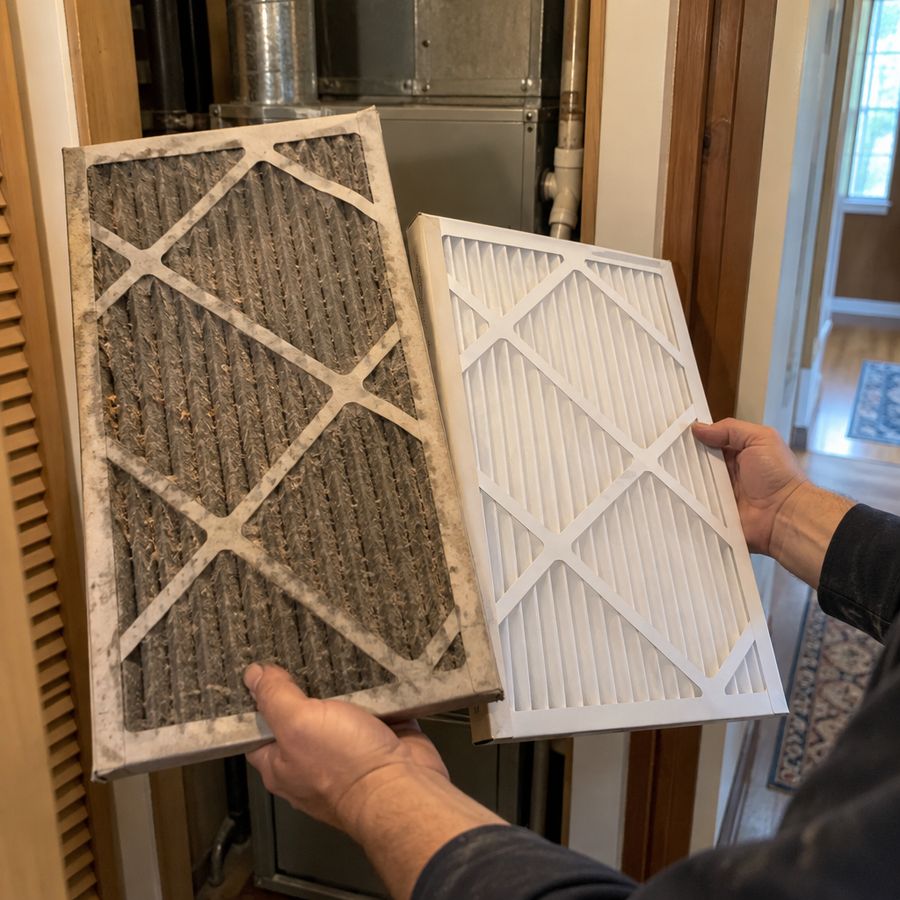
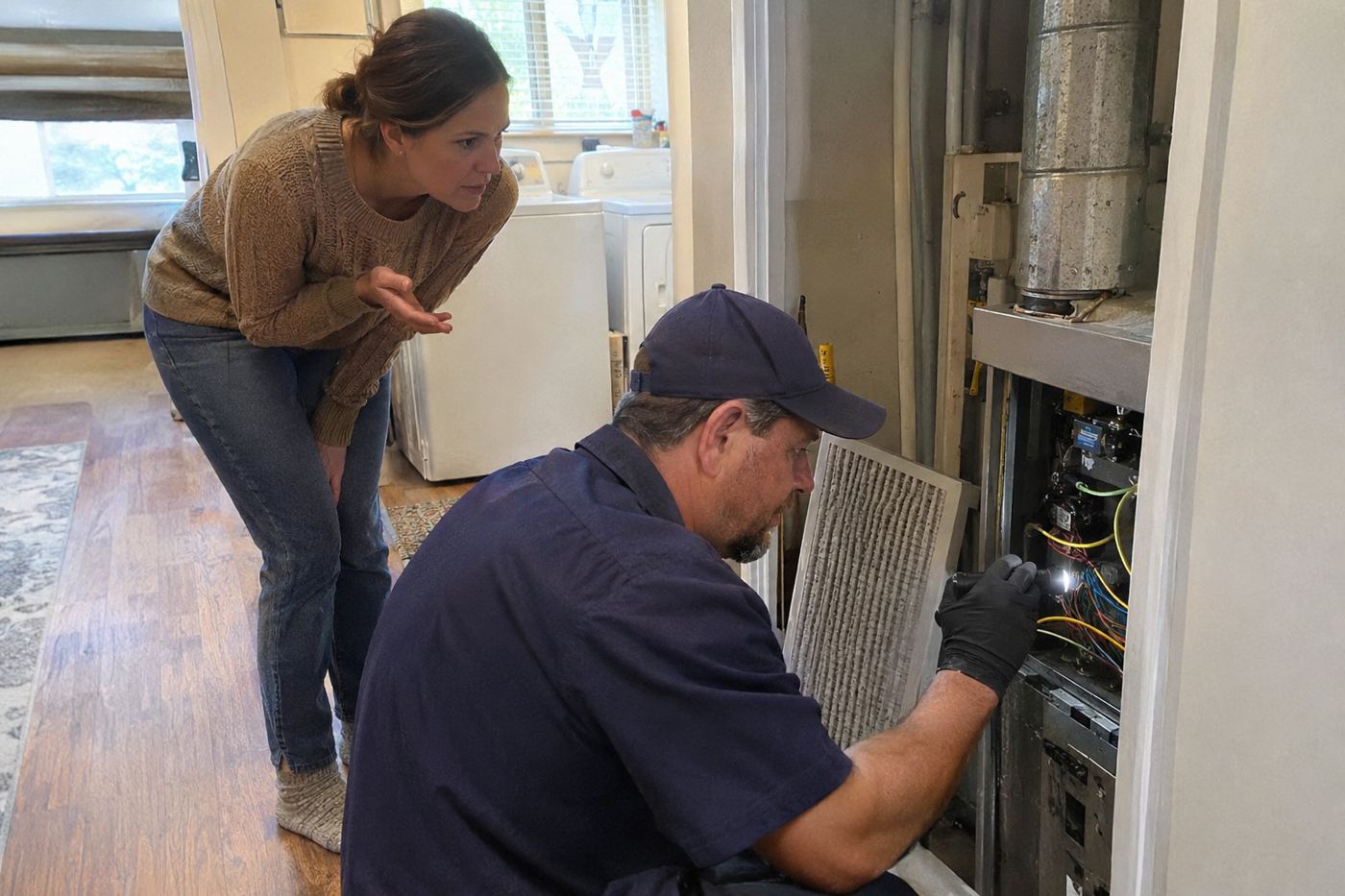
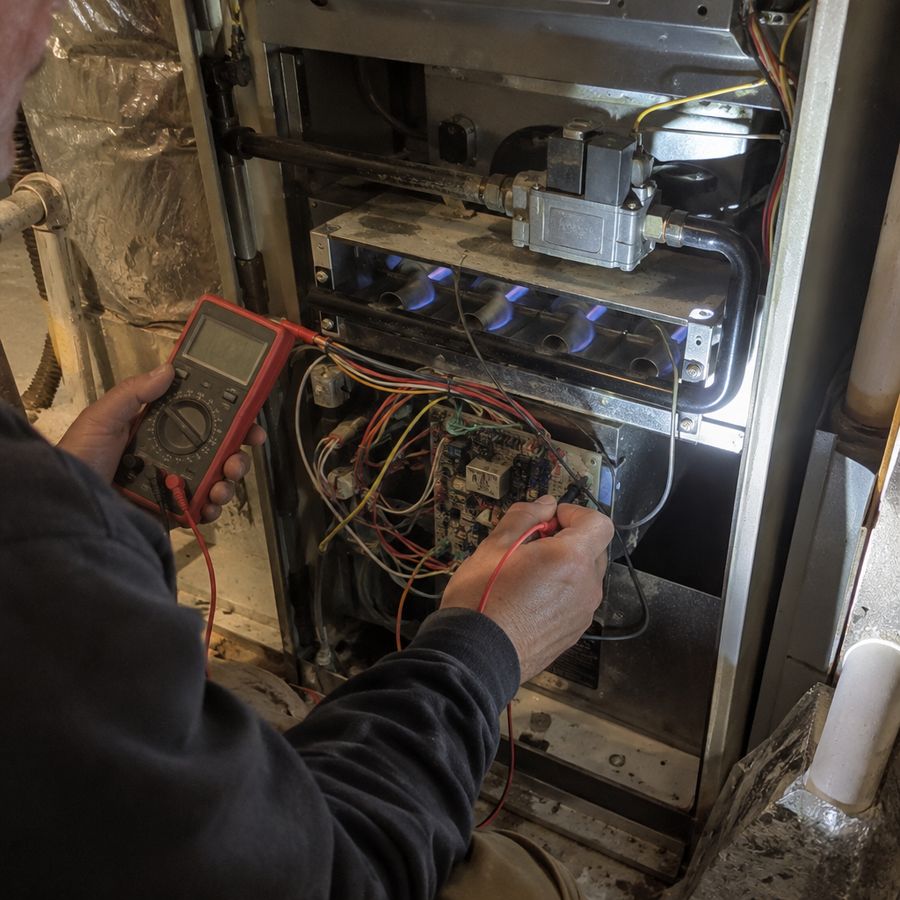
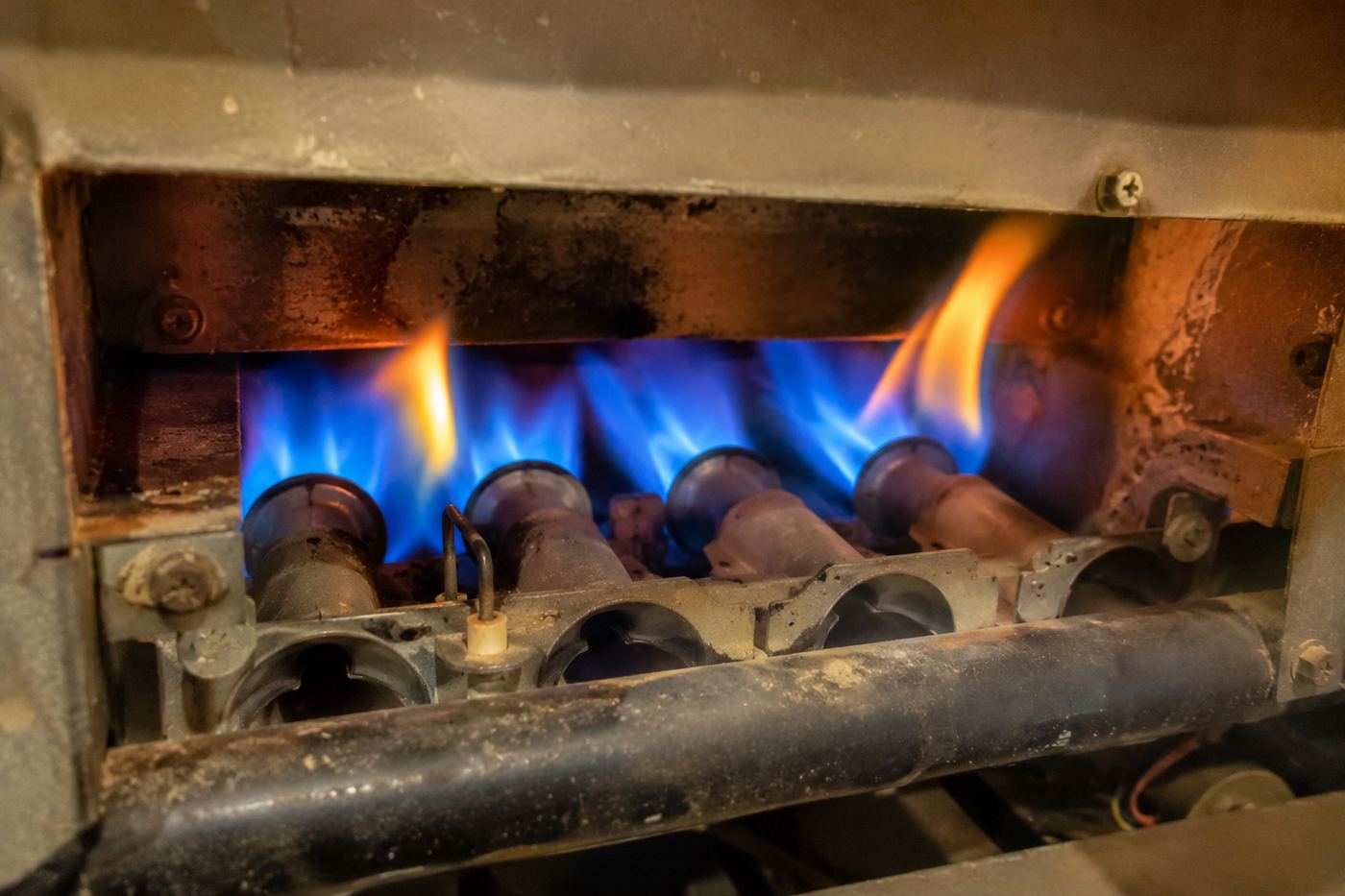
Cleaning, filter change, burner and sensor checks, and a carbon monoxide test before the heating season. A packed filter like the one on the left is one of the most common reasons a furnace overheats and shuts off. Burners should show a steady blue flame, not lazy orange tips.
+ Bryant, York, Ruud, American Standard, Payne and older brands
Tell us the brand on the furnace label when you call, so you're matched with a local provider who works on it. Blue Flame Heating is not affiliated with or endorsed by these manufacturers. Logos and brand names belong to their owners.
Real furnace questions
Questions homeowners ask about their furnaces
These come up again and again in winter. Here's what is usually going on, and when it's time to call.
Q
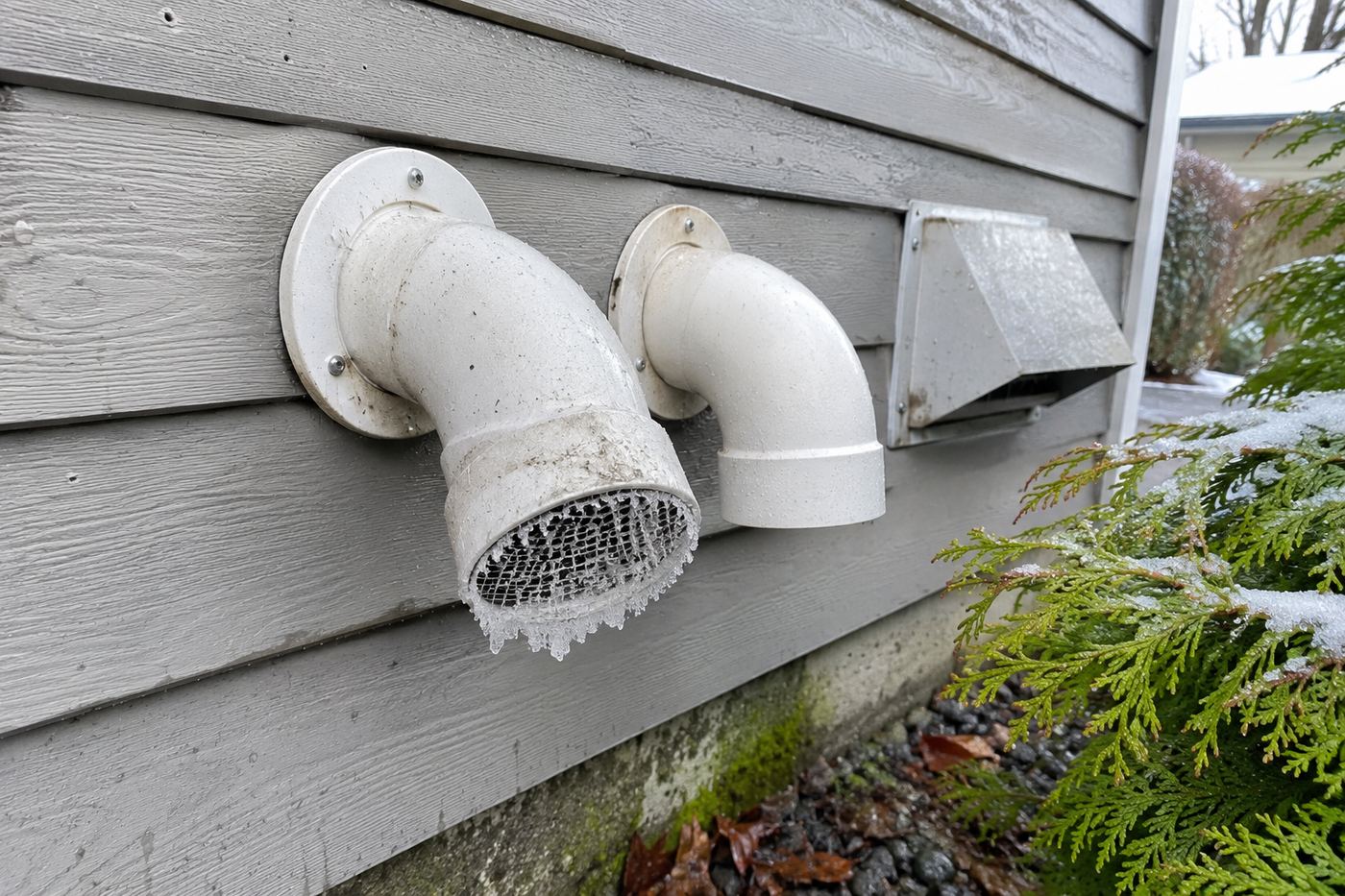
The pipe outside keeps freezing and the furnace stops working until I clear it.
High-efficiency furnaces pull air in and push damp exhaust out through plastic pipes. In a cold snap, frost can build on the screen and choke the intake, so the pressure switch shuts the furnace off.
Clear it gently. If it keeps happening, a technician can check the pipe slope, the screen and the termination kit. Gas furnace repair
Q
There's water on the floor next to my furnace. Is it the AC or the furnace?
In heating season it's usually the furnace. The condensate line, trap or pump has cracked or clogged, and water is finding its own way out.
Wipe it up, check for a loose joint, and get it fixed before the water reaches the control board. Condensate leak repair
Q
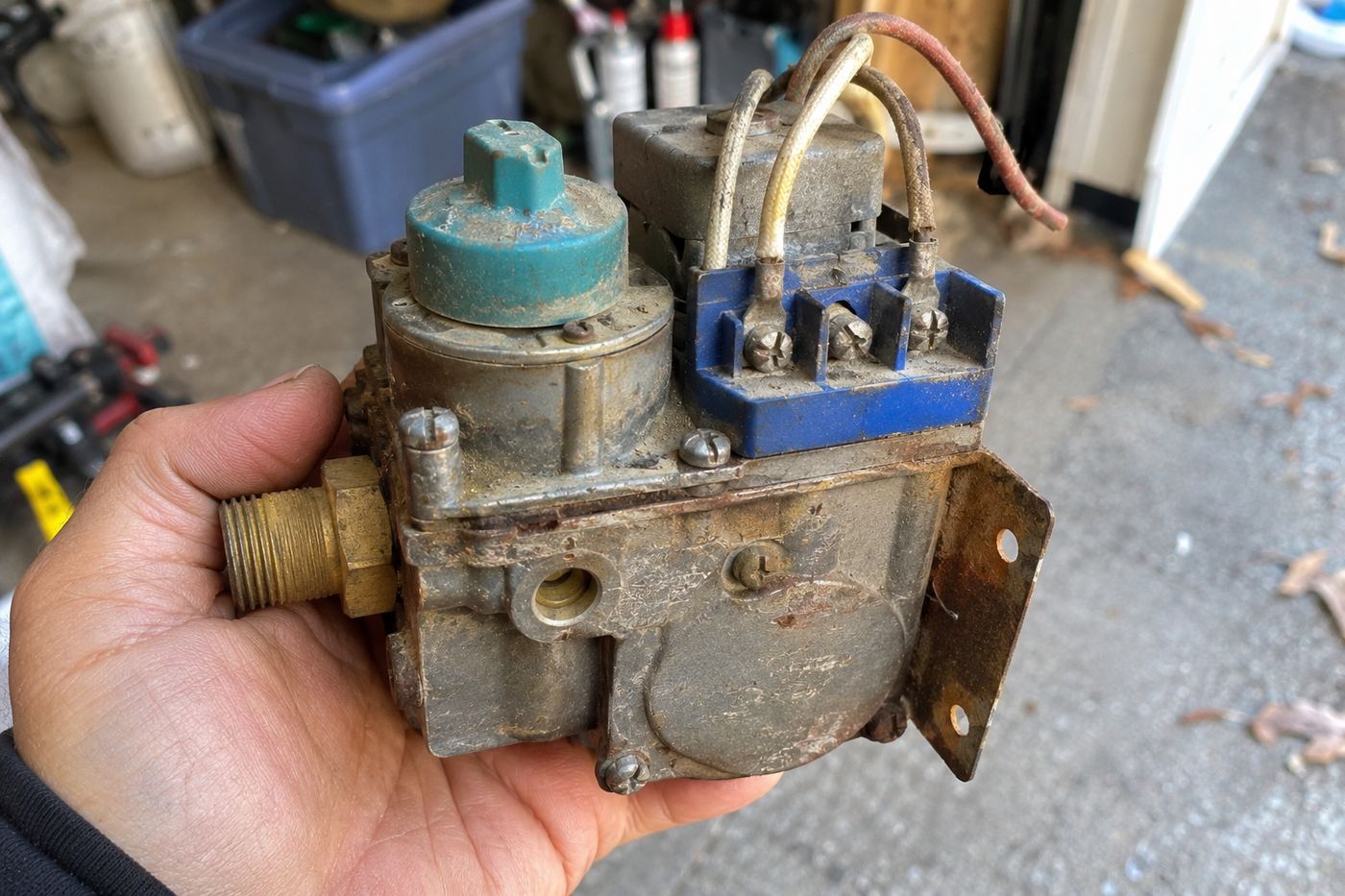
My old floor furnace needs a new gas valve and I can't find the same model anywhere.
Parts for older furnaces are often discontinued. A technician can usually fit a matching replacement valve, but gas valves must be installed and leak-tested by a pro.
On a very old unit, ask whether repair or replacement makes more sense. Gas valve repair
Q
It only lights sometimes. I have to reset it again and again before the heat comes on.
That points to the ignition sequence: a weak igniter, a dirty flame sensor, a slow pressure switch or a gas valve that is starting to fail. Each reset adds wear.
The blower keeps running long after the heat shuts off. It never stops on its own.
A short run after the burners stop is normal, because it pulls the last heat out. If it never stops, first make sure the thermostat fan is on Auto.
If it is, the usual causes are a limit switch, a fan control or a stuck relay on the board. Blower motor repair
Q
Our furnace smelled like burning plastic and smoked a little when it started.
A light dusty smell on the first cold day is normal. Smoke or a sharp plastic smell is not. A packed filter can make the furnace overheat, and an electrical part can burn out.
Turn it off at the switch, change the filter, and have it checked before running it again. Furnace repair
Quick one we hear a lot: Which way does the filter arrow point? Toward the furnace. The arrow shows the direction the air moves, from the return duct into the furnace.
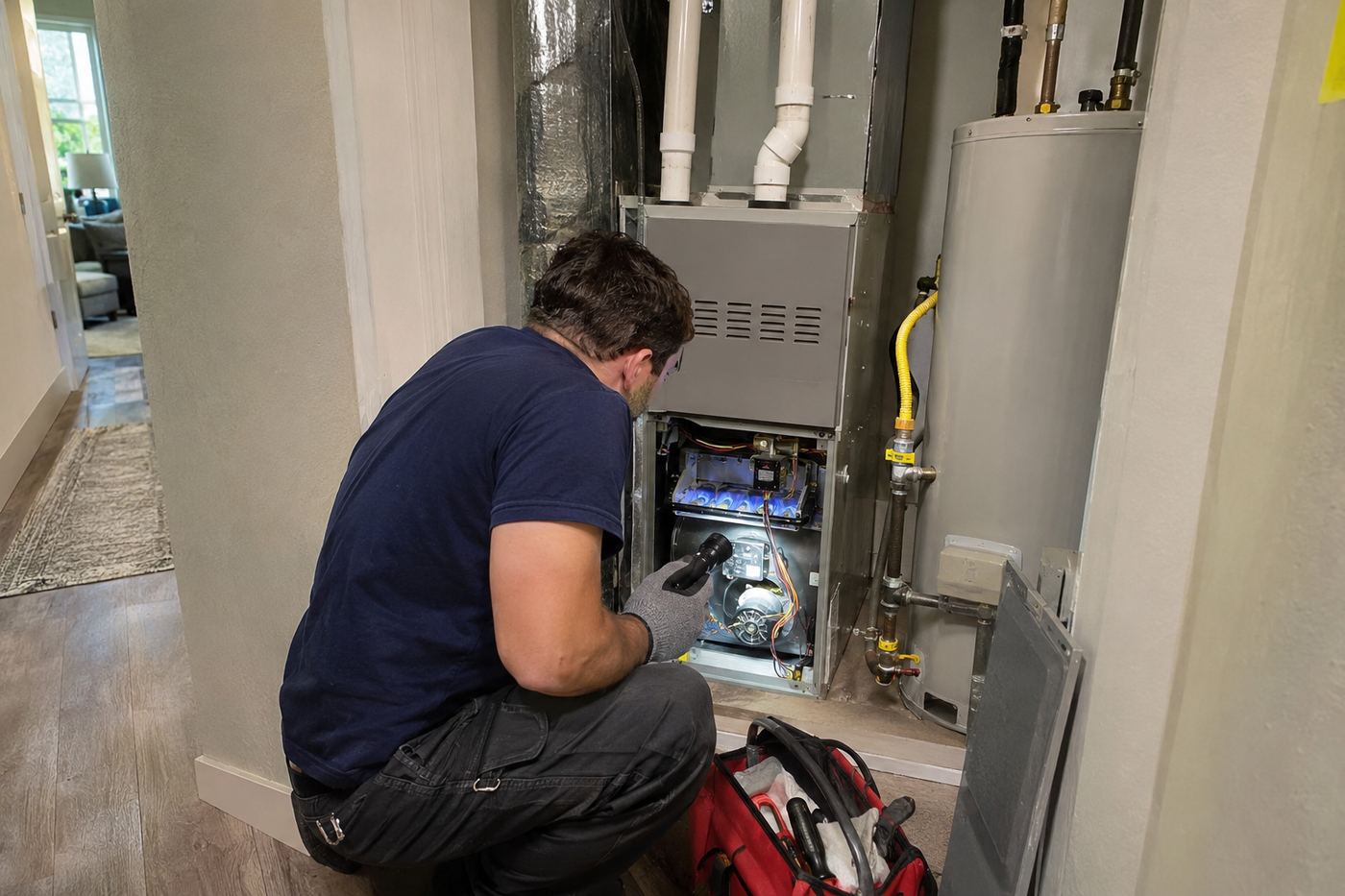
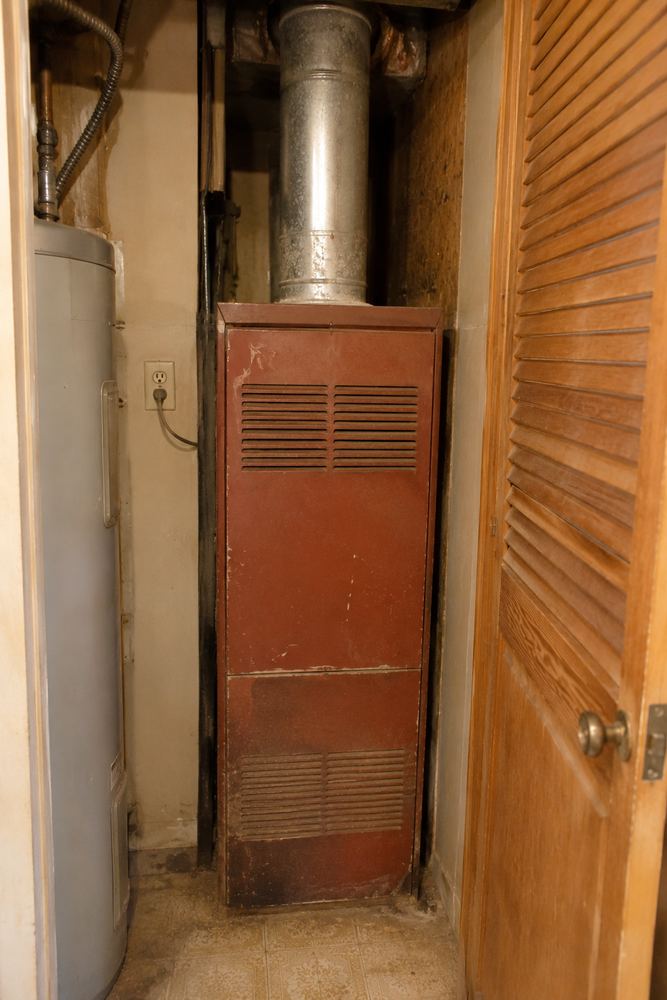
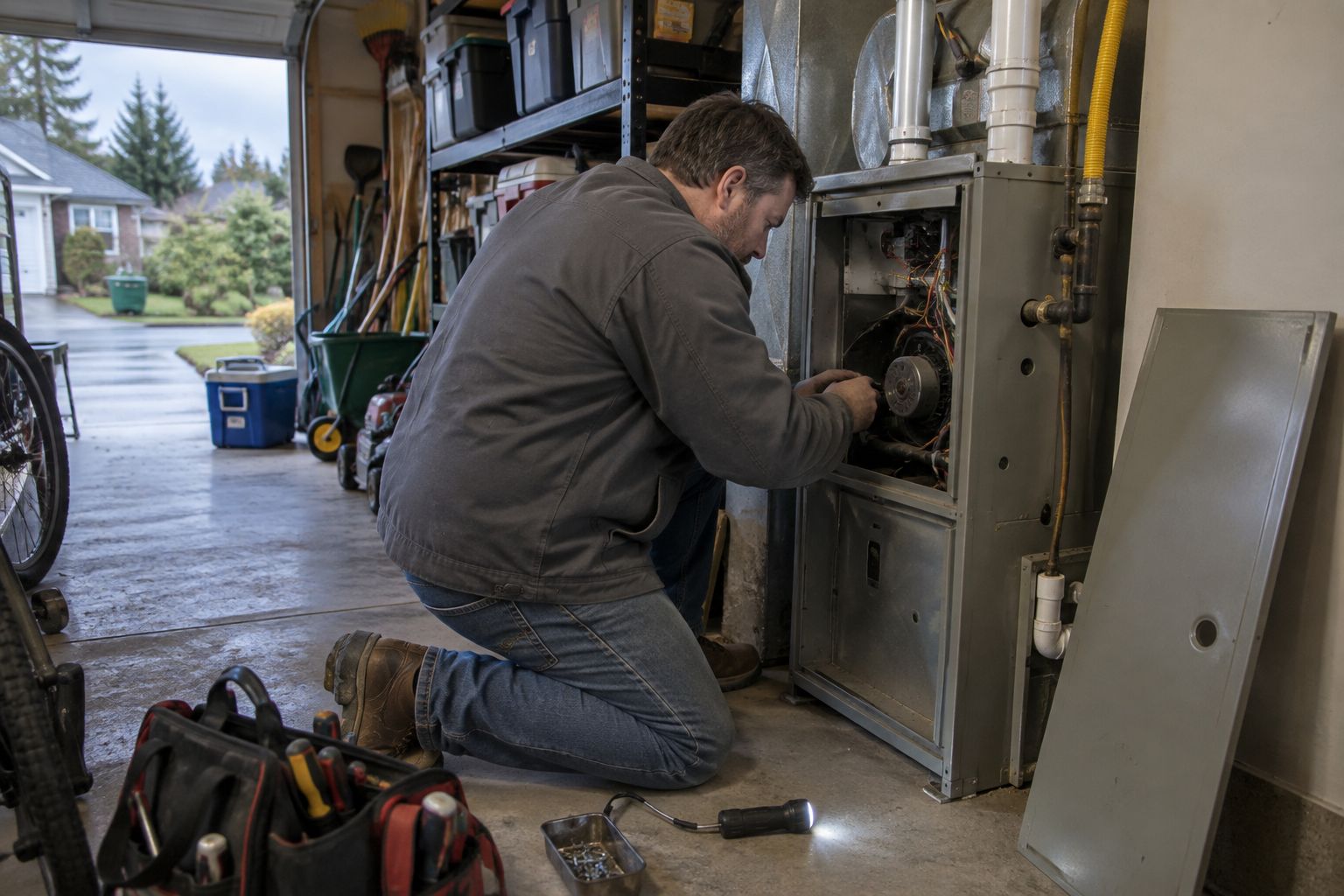
Older closet furnaces like this one are still common in mid-century homes on the Eastside.
Furnace repair guide
Why do furnaces break down in Bellevue homes?
Bellevue winters are mild compared with much of the country, but they are long and damp. Furnaces run for many months each year, and that steady use wears out the same few parts.
The usual causes
Dust is the first one. A long heating season means filters load up faster than people expect, and a choked filter cuts airflow until the high limit switch shuts the burners off. Moisture is the second. Damp crawl spaces and garages can corrode furnace parts, and high-efficiency furnaces make their own condensate water that has to drain away. A clogged drain trap will stop the furnace cold.
Age is the third. Plenty of homes on the Eastside still run furnaces that have been through many winters. Igniters, sensors, capacitors and inducer motors are wear parts, and they fail one at a time.
How a technician finds the problem
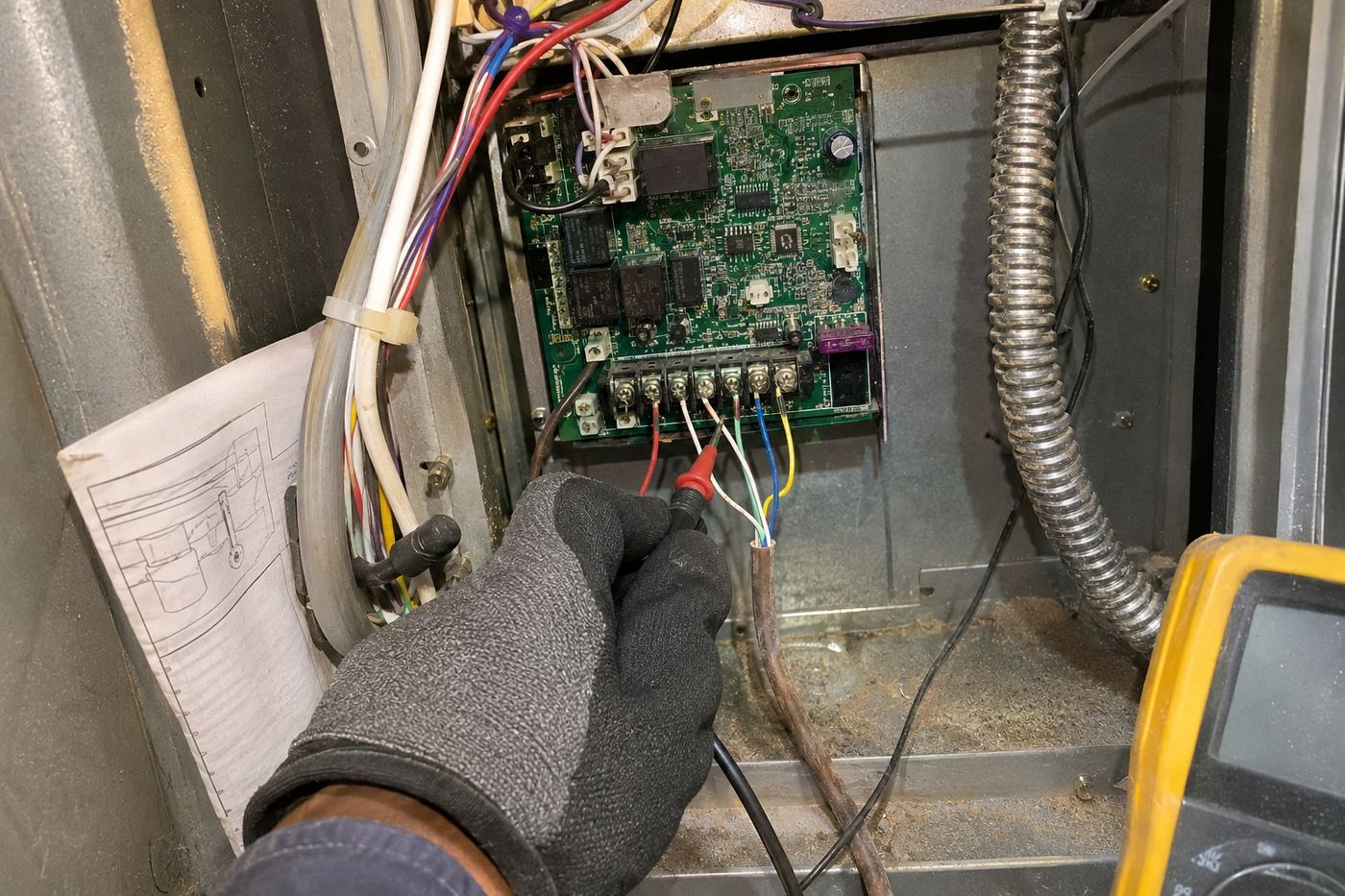
Modern furnaces have a control board with a small status light that blinks a fault code. A technician reads that code, then confirms it with a meter: voltage at the board, the igniter's resistance, the flame sensor's signal, gas pressure at the valve, and whether the pressure switch closes when the inducer runs.
Pro tip: Before the tech arrives, write down the blink pattern on the control board light (for example, three blinks, pause, three blinks). The chart is usually on the inside of the furnace door.
What happens after the repair
A good visit ends with the furnace running through full cycles while the technician watches. They check the flame, the temperature rise across the furnace, and the carbon monoxide reading near the flue. Ask them to show you the old part and explain what failed.
Don't wait it out
What happens if you leave a furnace problem alone?
Small furnace faults rarely fix themselves. Most get worse, and some put the rest of the system under strain.
A furnace that short cycles puts extra wear on the igniter, inducer and blower every time it restarts. A weak capacitor makes the blower motor run hot until the motor itself fails. A blocked condensate drain can leak water onto the furnace floor and into the control board.
In a cold snap, waiting can also mean pipes at risk in unheated garages and crawl spaces, and a house that takes a full day to warm back up.
Warning: If you smell rotten eggs, hear hissing near the gas line, or your carbon monoxide alarm goes off, leave the house now. Call 911 or Puget Sound Energy from outside. Do not switch lights on or off.
How it works
How does getting furnace help through us work?
We are a referral service, not a heating company. One call connects you with a local provider who does the work.
1
You call and describe the problem
Tell us what the furnace is doing and where in Bellevue you are. No forms, no account to set up.
2
We connect you to a local provider
Your call is routed to a furnace repair company that serves your area. You talk to them directly about timing.
3
The technician diagnoses and repairs
They test the furnace, explain what failed and give you the price before any work starts. You decide.
Repair costs
What affects the cost of a furnace repair?
Every job is different, so the provider quotes after they see your furnace. These are the things that move the price up or down.
Factor
Why it matters
The part that failed
A flame sensor clean is a small job. An inducer motor, control board or blower motor costs much more.
Furnace type and age
Parts for older or less common models can be harder to find and take longer to arrive.
Where the furnace sits
A tight crawl space or attic takes more time than a garage or hallway closet.
Time of the call
Night, weekend and holiday visits can carry a higher rate with some providers.
Extra problems found
A cracked heat exchanger or venting issue changes the job from repair to replacement talk.
Blue Flame Heating: furnace help for every part of Bellevue
Every part of Bellevue has its own mix of homes and furnaces. These are the neighborhoods we hear from most.
Crossroads
A busy mix of houses, townhomes and apartments. Furnaces here are often tucked into closets and small utility rooms, where filters and airflow problems show up first.
Many houses here date from the middle of the last century, and some still have older furnaces and ductwork. Heat exchanger checks and venting matter on these systems.
Close to I-90, with a mix of homes and condos. Garage and crawl space installs are common, so moisture and corrosion on furnace parts are worth watching.
Larger hillside homes, often with bigger furnaces or more than one zone. Uneven heat between floors and short cycling are typical calls from this area.
Blue Flame Heating is a free referral service. We don't send our own crews. When you call, you're connected with an independent local heating company that serves your part of Bellevue.
Before you agree to any work, ask the provider about their license, insurance and warranty on parts and labor. A good company will answer clearly and give you a written price first.
Have this ready when you call
Your neighborhood or ZIP code
What the furnace is doing, and since when
Gas or electric, and the brand if you can see it
Any blink code on the control board
Bellevue furnace FAQs
Frequently asked questions about furnace repair
Why is my furnace blowing cold air?
The most common causes are a dirty flame sensor, a failed igniter, an overheated furnace from a clogged filter, or the thermostat fan set to On instead of Auto. Check the fan setting and filter first.
Why does my furnace only light some of the time?
A weak or cracked igniter, a dirty flame sensor, a pressure switch that is slow to close, or a gas valve that is starting to fail. Repeated resetting does not fix it and puts extra wear on the parts.
How long does a furnace repair take?
Many repairs, like a flame sensor clean or igniter swap, are done in one visit. If a motor or control board has to be ordered, the furnace may be down until the part arrives.
Which way should the arrow on my furnace filter point?
The arrow points in the direction the air moves, which is toward the furnace and away from the return duct.
Why does the blower keep running after the heat shuts off?
A short run after the burners stop is normal. If it never stops, check that the thermostat fan is on Auto. If it is, the cause is usually a limit switch, a fan control, or a stuck relay on the control board.
Should I repair or replace my furnace?
A single failed part on a furnace in good shape is usually worth repairing. A cracked heat exchanger, repeated big repairs, or a very old unit with hard-to-find parts are the usual reasons people replace instead.
How often should I change my furnace filter?
Check it every month during the heating season. Thin 1-inch filters often need changing every one to three months. Homes with pets or remodeling dust need it more often.
Is this a heating company?
No. Blue Flame Heating is a free referral service. We connect callers with independent local providers who carry out the work and set their own prices.
What should I check before I call?
Thermostat is on Heat and set a few degrees above room temperature.
Thermostat batteries are fresh.
The furnace switch (it looks like a light switch) is On.